Optimal Timing for Reverse Osmosis Systems
Reverse osmosis systems are essential for producing high-quality drinking water by removing contaminants and impurities. They are widely used in residential, commercial, and industrial settings to ensure water purity and safety. Proper timing for installation or maintenance can optimize system performance and lifespan.
Installing a reverse osmosis system during periods of low water demand can facilitate smoother setup and testing processes.
Regular filter replacements and system checks should be scheduled based on water usage and water quality, typically every 6-12 months.
Spring and summer months often see increased water usage, making timely maintenance and system checks important before peak demand.
Monitoring water source quality helps determine when system servicing is necessary to maintain optimal performance.
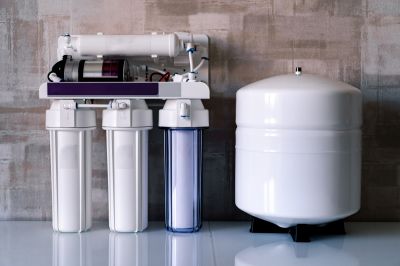
Proper setup ensures efficient operation and longevity.
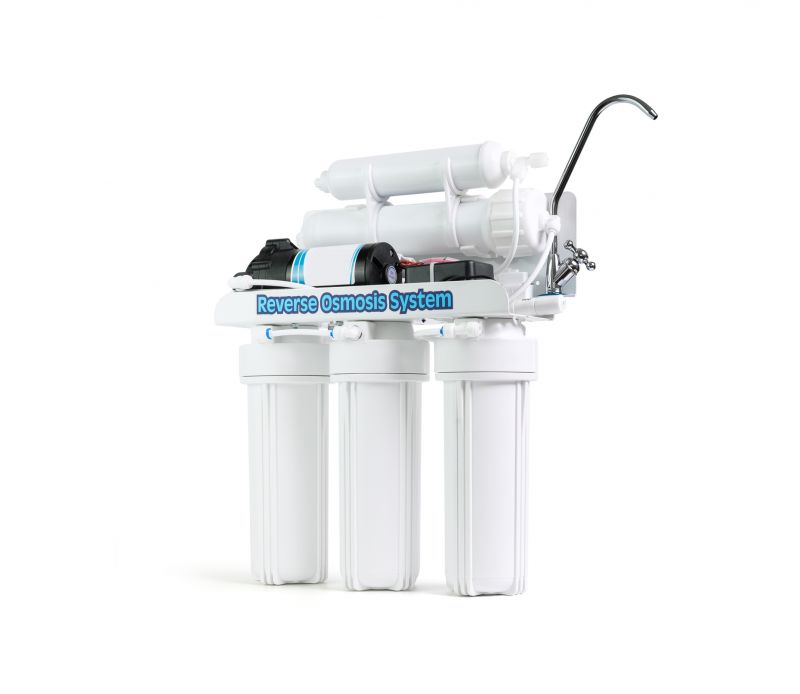
Timely filter changes maintain water quality and system efficiency.
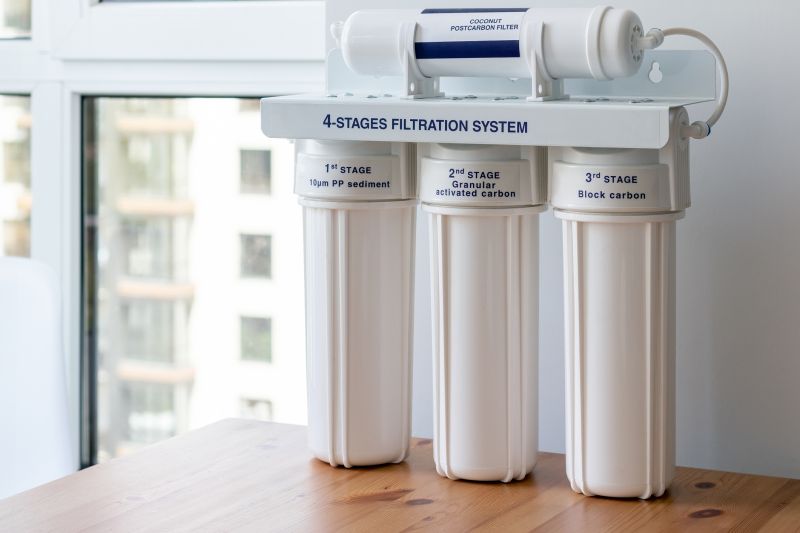
Regular inspections prevent issues and extend system lifespan.
| Factor | Best Timing Recommendation |
|---|---|
| Water Demand | Install during low demand periods for easier setup. |
| Water Quality | Schedule maintenance when water quality declines. |
| Seasonal Changes | Perform checks before high usage seasons. |
| Filter Lifespan | Replace filters every 6-12 months. |
| System Upgrades | Coordinate with regular maintenance cycles. |
| Water Source Changes | Inspect and service after source quality shifts. |
| System Performance Issues | Address immediately when performance drops. |
Reverse osmosis systems are highly effective in providing clean water by removing a wide range of contaminants, including dissolved salts, bacteria, and organic compounds. They typically consist of pre-filters, membranes, and post-filters, requiring regular maintenance for optimal results. Advances in membrane technology have increased efficiency and lifespan, making timely servicing crucial.
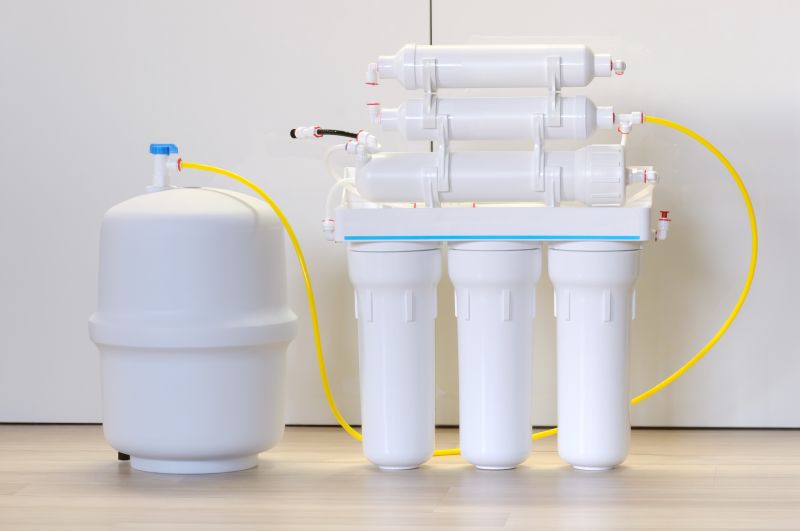
Includes membranes, filters, and storage tanks for comprehensive purification.
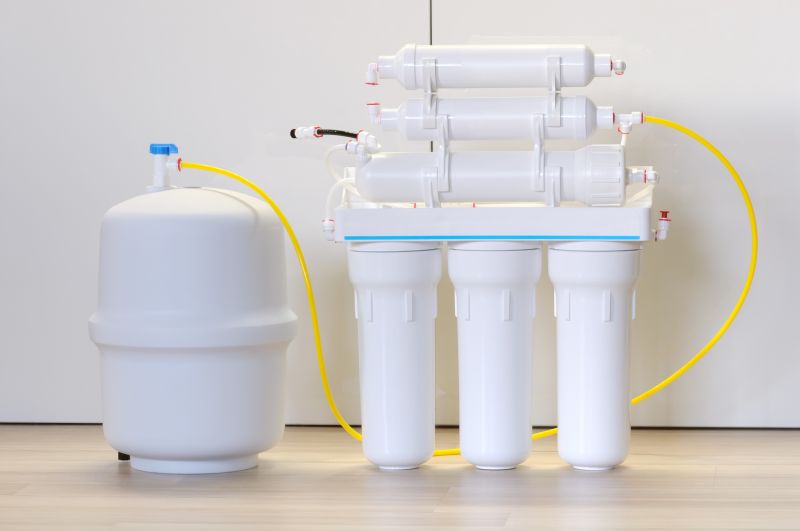
Water passes through multiple stages for removal of impurities.
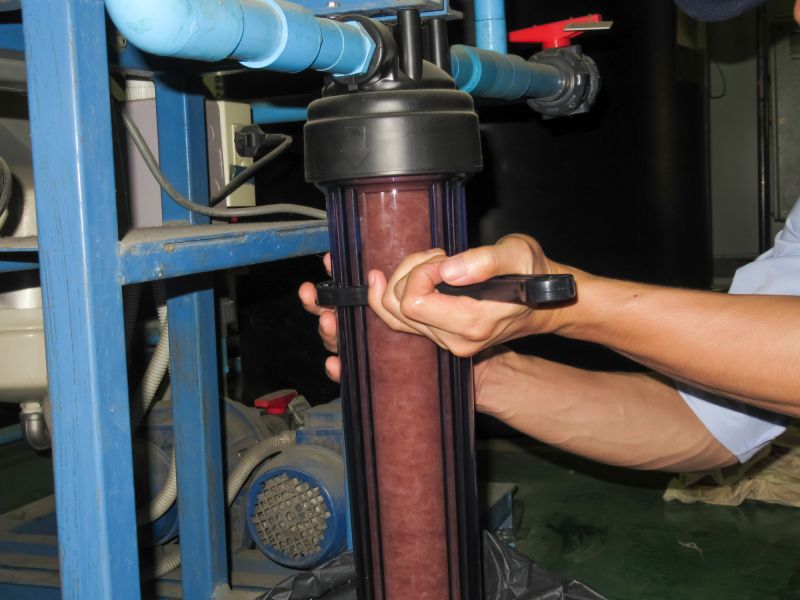
Tools and parts necessary for system upkeep.
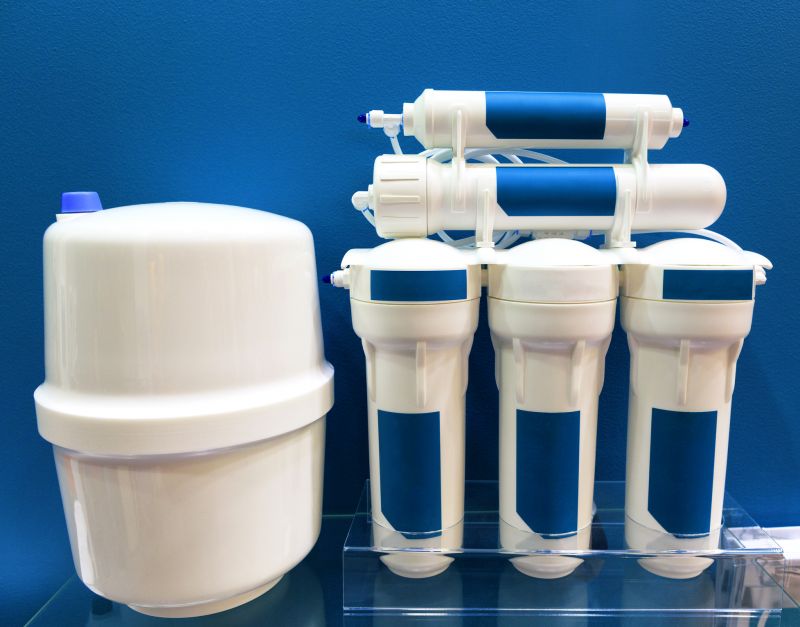
Ensures safe, high-quality drinking water.
Understanding the optimal timing for reverse osmosis systems can enhance their performance and durability. Regular assessments and adherence to recommended maintenance schedules are vital for ensuring continuous, high-quality water supply. Proper planning around demand cycles and water quality fluctuations ensures system efficiency and longevity.
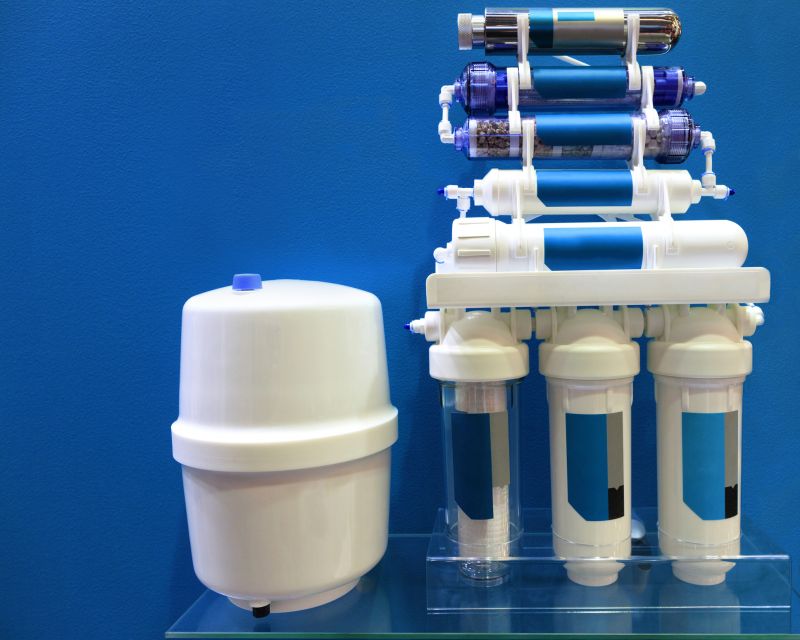
Consistent filtration results in safe drinking water.
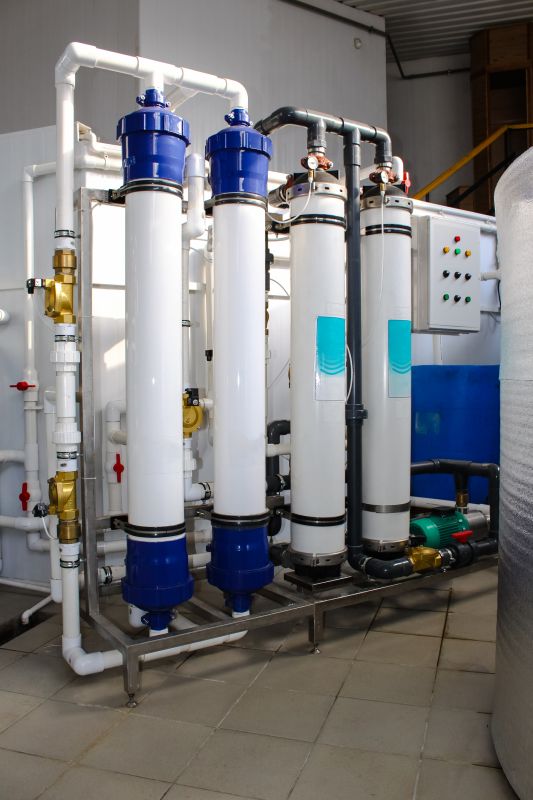
Regular checks optimize performance.
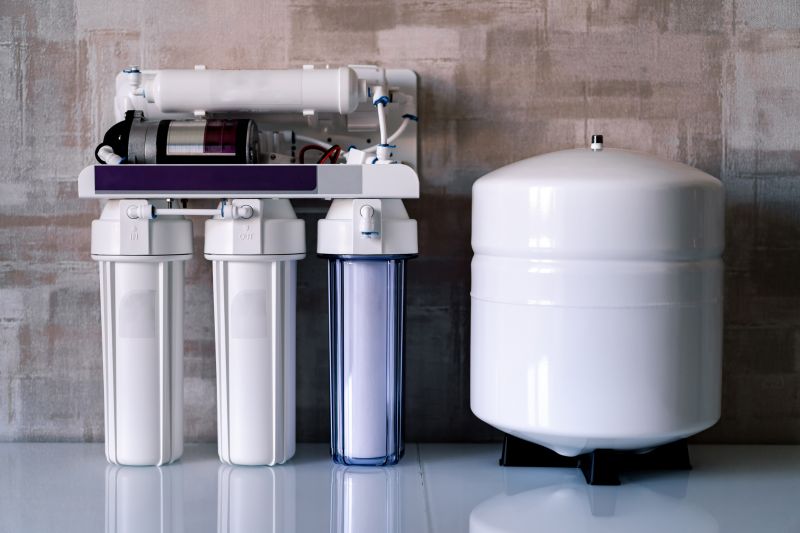
Enhances efficiency and extends lifespan.
Interested in installing or maintaining a reverse osmosis system? Filling out the contact form ensures access to expert guidance tailored to specific water needs and usage patterns. Proper timing and maintenance can maximize the benefits of this advanced water purification technology.